
The Right Data. The Right Context. Right Where You Need It.
iSiteData came out of a very specific problem I kept encountering on industrial sites: the right information wasn't in the right place. An engineer standing in front of a piece of plant, needing maintenance history, the 3D model, the operating parameters and an AI-assisted analysis, none of it reachable without going back to the office.
Augmented Reality for Industrial Operations
The answer to the problem I described is to bring all of it together, in one place, on site, in context. Using augmented reality as the delivery mechanism means the information is overlaid onto the real asset the engineer is looking at. Not on a laptop back in the office. Not on a phone pulled from a pocket in a noisy plant room. In front of their eyes, anchored to the physical world.
iSiteData integrates disparate information, data and 3D models in a virtual environment using augmented reality. The technology combines information access with on-site application and artificial intelligence, turning it into a genuinely useful tool rather than a novelty.
Although the solution is bespoke to each client's needs, it is built around four core capabilities that address the most common information challenges on industrial sites.
- Apple iOS & Vision Pro
- HoloLens
- ARKit
- 3D Visualisation
- AI Integration
- LiDAR Scanning
“The right Data in the right Context at the right Location at the right Time with the right Permissions”
Right Data
Accurate, up-to-date asset information, not a six-month-old spreadsheet export.
Right Context
3D geometry, maintenance history, design intent, information that makes sense of the asset in front of you.
Right Location
On site, anchored to the physical asset, not locked in a system 200 metres away.
Right Time
On demand, when the engineer needs it, not after a phone call and a filing-system search.
Right Permissions
Role-based access so the right information reaches the right people, and sensitive data stays controlled.
What iSiteData Delivers
Four capabilities that can be implemented individually or in combination, depending on what your operation needs most.
3D Model Visualisation
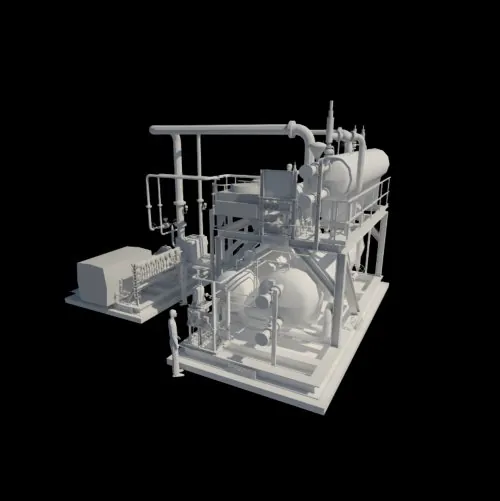
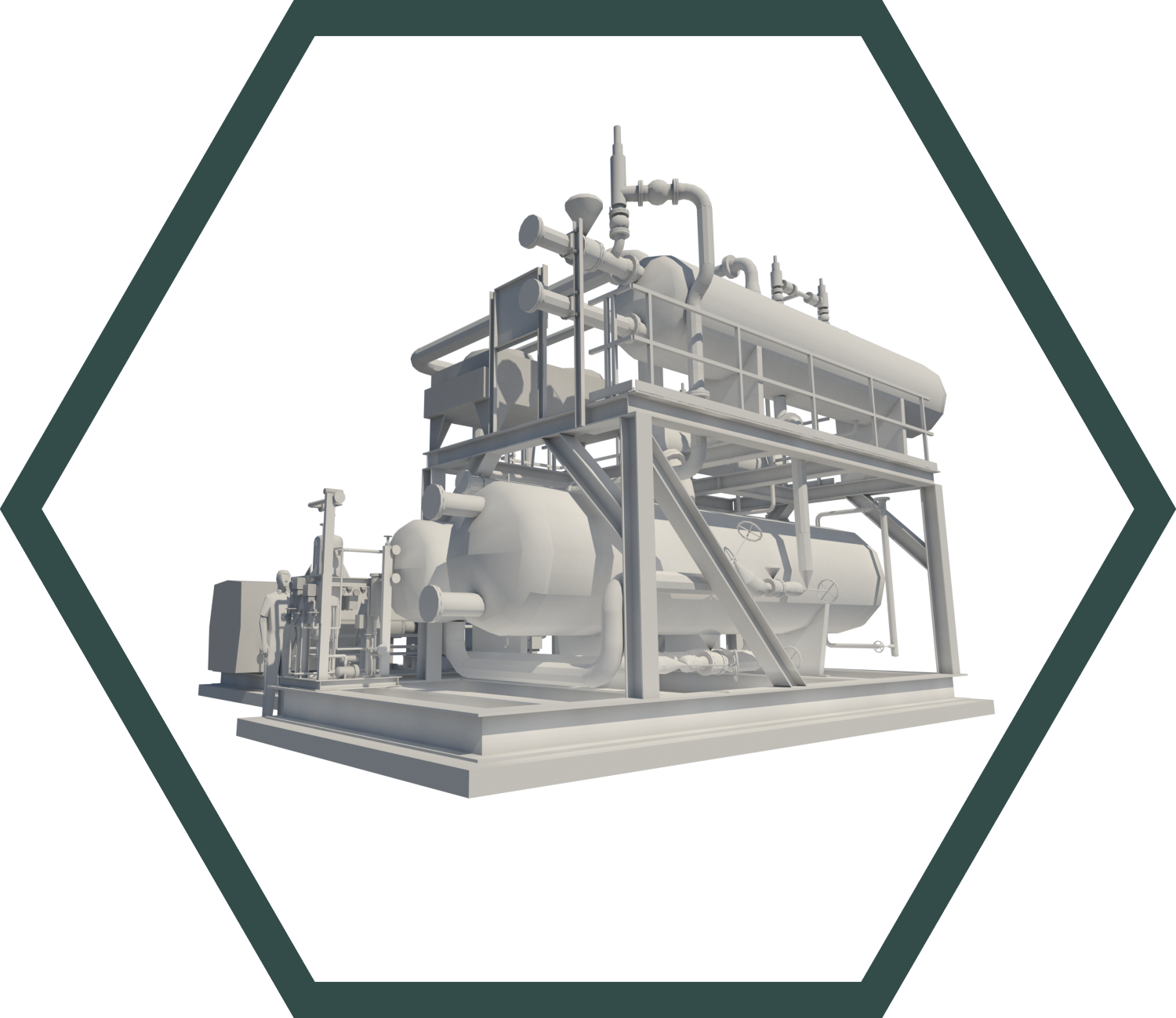
Place and interact with the full 3D model of the asset in the real environment. Walk around it, interrogate individual components, cross-reference geometry with the physical installation in front of you. The model is anchored to the real world, not floating on a screen.
Built for HoloLens and Apple Vision Pro: hardware that engineers can actually wear in an industrial environment and that delivers the resolution and field-of-view that makes AR genuinely useful at plant scale.
Artificial Intelligence
AI-assisted analysis built into the on-site experience. Query the asset data in natural language, ask about maintenance history, compare operating parameters against design intent, surface anomalies, and get intelligent answers to operational questions without leaving the plant floor.
The AI has access to the same connected data the twin holds: drawings, maintenance records, sensor feeds, historical fault data. It gives answers grounded in your actual asset, not generic information.
Virtual Training
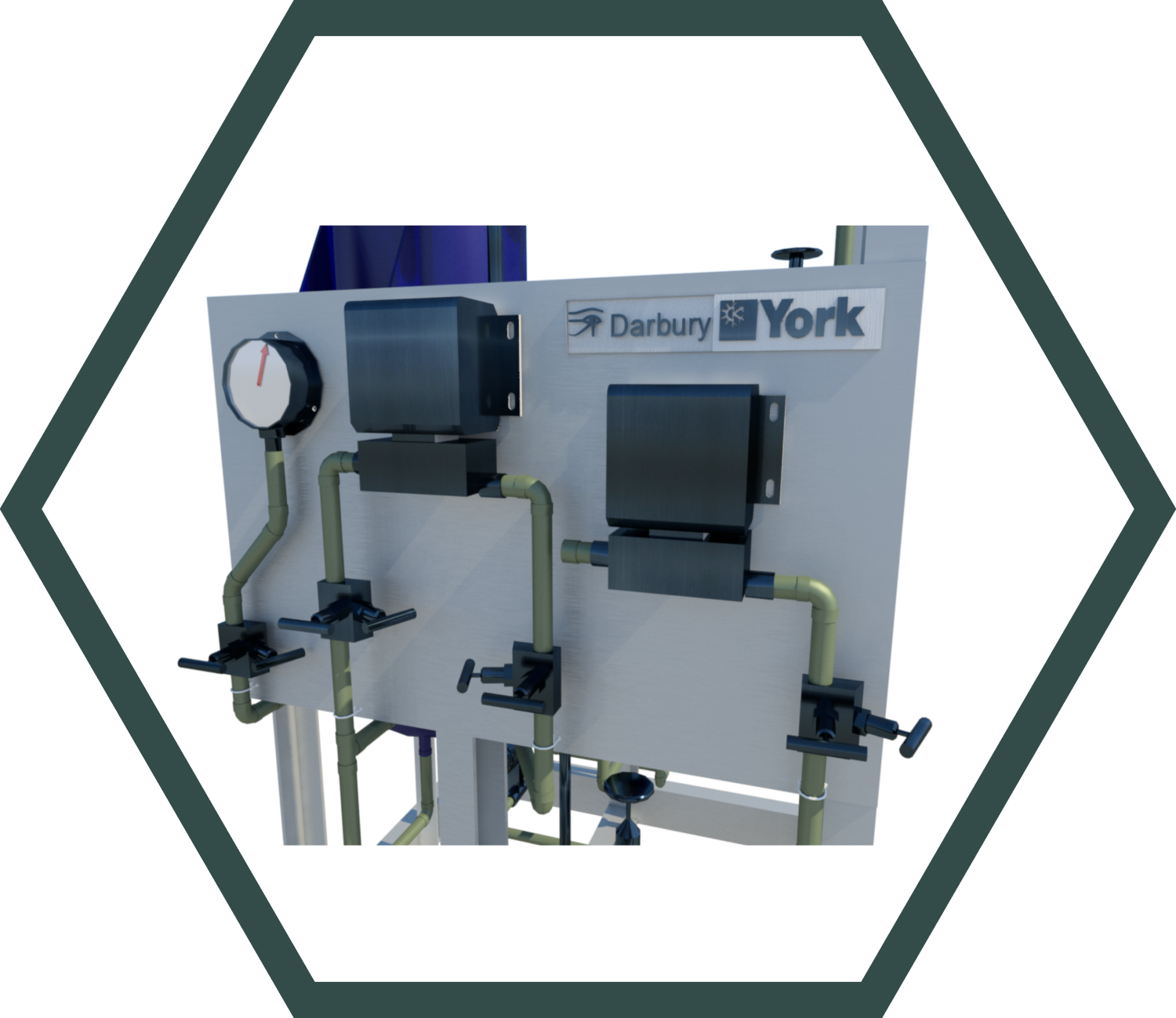
Training environments built from the same 3D assets and data that run the live system. Engineers learn on an accurate replica of the plant they'll be working on, not a generalised simulation, which means new starters arrive at the real asset with genuine familiarity.
Reduces training time and error rates. The training content stays current because it's generated from the same maintained model the operations team uses every day. If the plant changes, the training environment changes with it.
Reality Capture
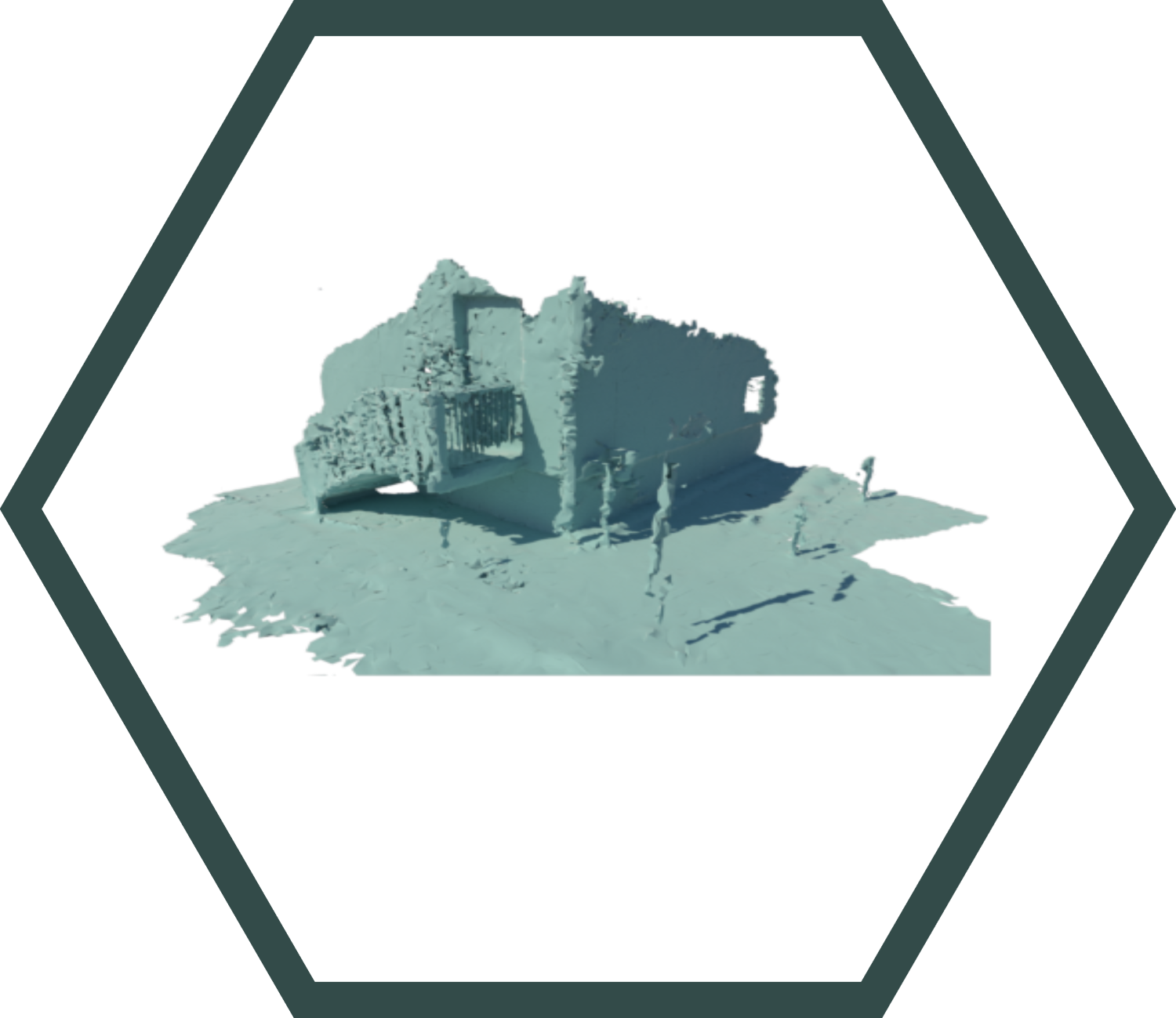
LiDAR and photogrammetry scanning to create, validate and update the 3D base. Essential for brownfield sites where no 3D model exists, and useful throughout the asset lifecycle as the physical installation evolves away from the original design.
The scan data feeds directly into the iSiteData model layer, keeping the digital representation accurate against what's physically there, which is the whole point of a maintained digital twin.
Bespoke to Every Client & Operation
iSiteData is not a standard product deployed from a box. The right starting point depends on what your operation needs most and what data foundation you're starting from. Some clients come with excellent 3D models and poor data governance. Others have good data but no spatial context. The implementation reflects that.
I typically start with a discovery phase to understand the current data state, the primary use cases, and the AR hardware environment. From there, we agree the implementation scope and work through it in stages, starting where the return is clearest and building outward.
Platform: Built on Apple ARKit for iOS and Vision Pro, giving a high-fidelity AR experience on hardware that travels well and performs in demanding industrial environments. HoloLens is also supported where that's the existing infrastructure.
Discovery & Data Assessment
Understand the current state: what 3D assets exist, what data is available, where the primary pain points are on site. No assumptions.
Scope & Component Selection
Agree which of the four components deliver the clearest return for your operation and in what order they should be implemented.
Data Preparation & Integration
Prepare and connect the data sources: 3D models, asset registers, maintenance systems, sensor feeds, whatever the agreed scope requires.
Deployment & Handover
Deploy to the target AR hardware, train the team and establish the update process so the implementation stays accurate as the plant evolves.
 Get in Touch
What Could iSiteData Do for Your Operation?
If you're looking at this and thinking “that would solve a problem we have”, I'd like to hear about it. A short conversation about your site, your data and what's currently not working is the right starting point. No sales pitch, just an honest assessment of whether iSiteData fits.